What We Solve
Customers call back more often. A new system adds work instead of removing it. A role expands until responsibility becomes unclear.
I-Vine helps organisations work out what is driving the issue, decide what needs to change and put a practical response to work.
01
The service may have been built around simpler, more predictable requests. As customer expectations change, staff start making exceptions, passing cases on or giving different answers to similar problems.
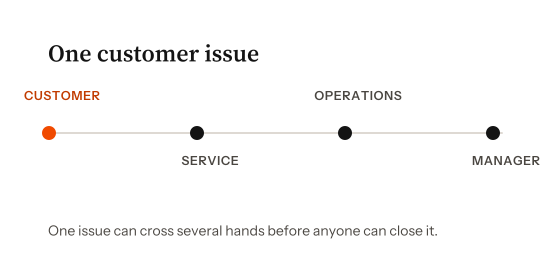
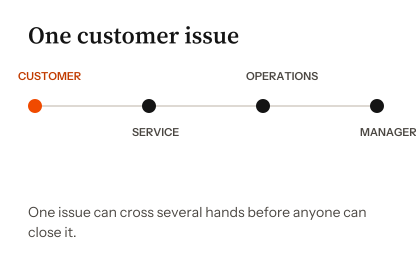
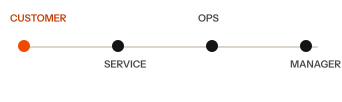
A complaint that should be resolved once can move between service, operations and a manager because the normal route gives no one enough authority to close it.
In that situation, more customer-service training may not fix the cause.
02
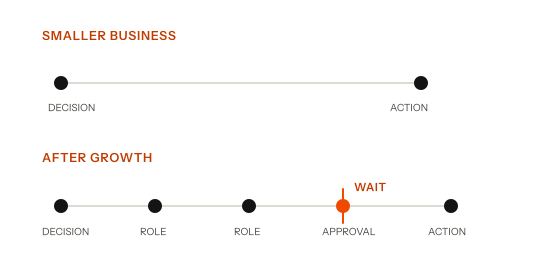
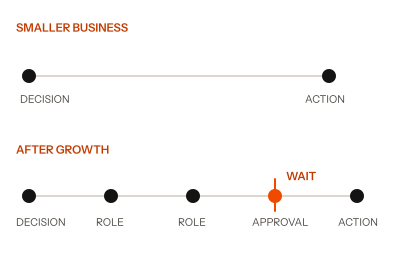
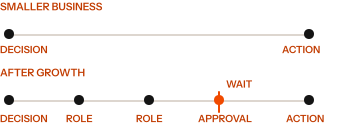
At a smaller scale, decisions can happen informally. As the business grows, the same decision crosses more roles, handovers multiply, and work that once moved quickly starts waiting for approval or being done twice.
Growth becomes a problem when ways of working built for the smaller business are still carrying the larger one.
03
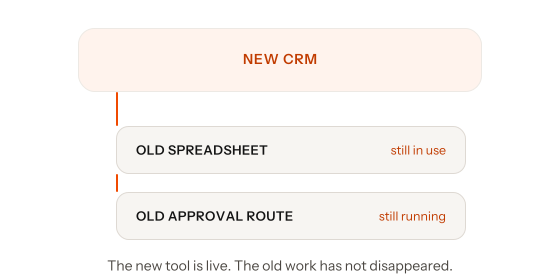
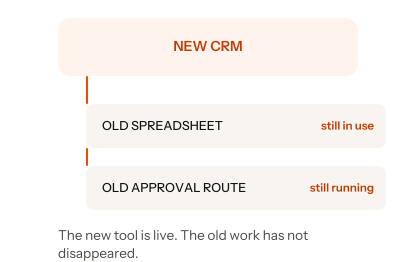
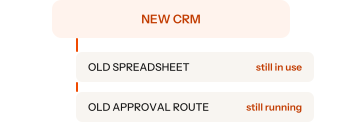
A new CRM, automation or AI tool can be live while staff still keep the old spreadsheet, follow the previous approval route or repeat the same data entry elsewhere.
The tool may be working. The surrounding work may need to change with it.
04
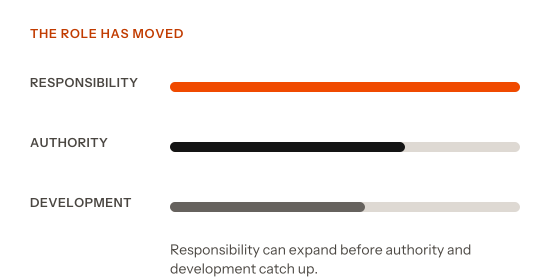
A manager may now be making decisions they previously escalated, often where old routines no longer fit. A service role may handle more complex cases because technology has removed some routine work.
The job has changed even if the title has not.
The gap may be skill, but it may also be responsibility, authority or the role itself. Training alone cannot fix a role that no longer fits the work.
When the normal route stops fitting
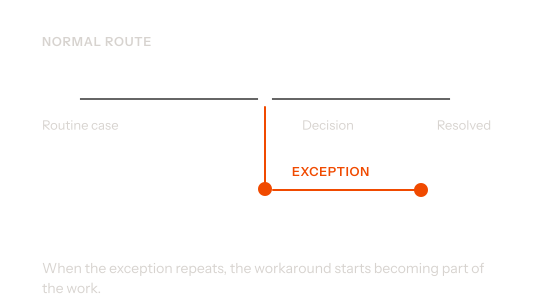
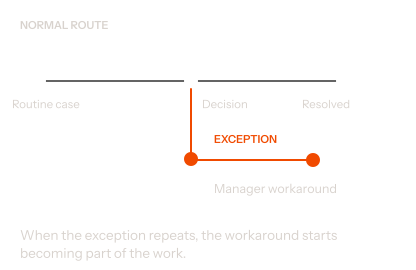
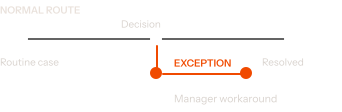
A customer request falls outside the normal route. One person improvises, another escalates, and a manager makes a one-off call because the process does not cover the situation.
When exceptions keep returning, the workaround starts becoming part of the work. One team may fix its part only for the delay to move into the next handover.
At that point, the issue is no longer isolated. The organisation needs a more reliable way to handle situations the standard process does not cover.
From visible problem to practical response
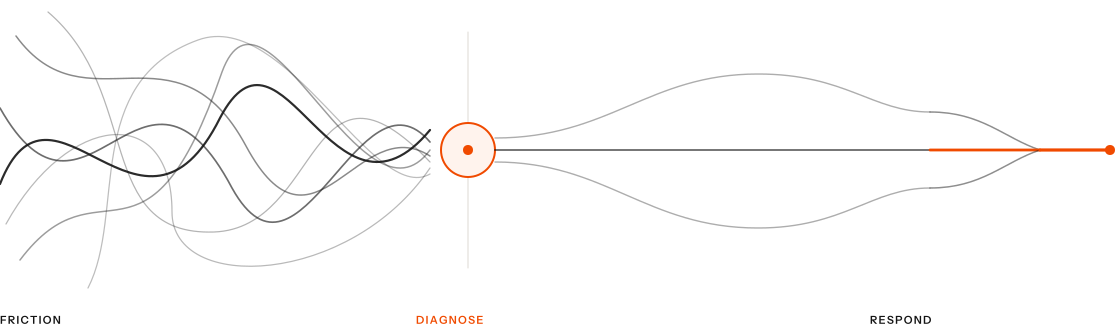
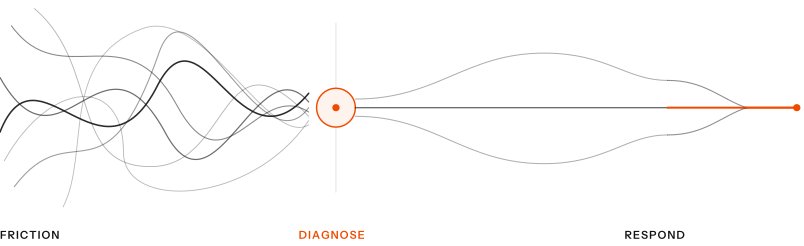
Where a problem shows up and where it begins are not always the same place. Understand what is driving it, then act on what needs to change.
Not every problem needs a large intervention
If one unclear handover is causing the delay, fix the handover. If the same breakdown keeps returning across a team or several functions, the response may need to go further.
The point is to match the intervention to what is actually happening, rather than defaulting to a standard programme or a larger response than the problem needs.
The next step depends on what is happening, what needs to change and whether the issue sits in one place or reaches further across the organisation.